In the fast-paced world of online gambling, live casinos have skyrocketed in popularity, delivering immersive gaming experiences with real dealers and multi-camera studio production straight to your mobile device. But what happens behind the scenes when equipment hiccups threaten to take the action offline? How do these complex systems continue running smoothly, ensuring players on online casino apps and mobile websites never miss a beat?
Ever notice how this post dives deep into the critical strategies live casinos use to maintain operational continuity during equipment problems. We’ll cover core themes low latency streaming settings like multi-camera production, lighting and visual consistency, mobile-first streaming constraints, and encoding practices. Along the way, we’ll reference industry insights from trusted voices like Hardware Times, MRQ (mrq.com), and standards set by the Society of Motion Picture and Television Engineers (SMPTE).
Why System Reliability Is Non-Negotiable for Live Casinos
Unlike pre-recorded games, live casinos broadcast real-time action that must be flawless 24/7. Players expect consistent streaming quality, minimal latency, and uninterrupted gameplay, especially on mobile devices where technological constraints abound. Any failure — be it a camera drop, server crash, or encoding glitch — instantly impacts player trust and revenue.
So operators build live environments with redundant components and backup servers, accompanied by rigorous continuity planning to anticipate and resolve failures fast.

Multi-Camera Studio Production: The Frontline of Reliability
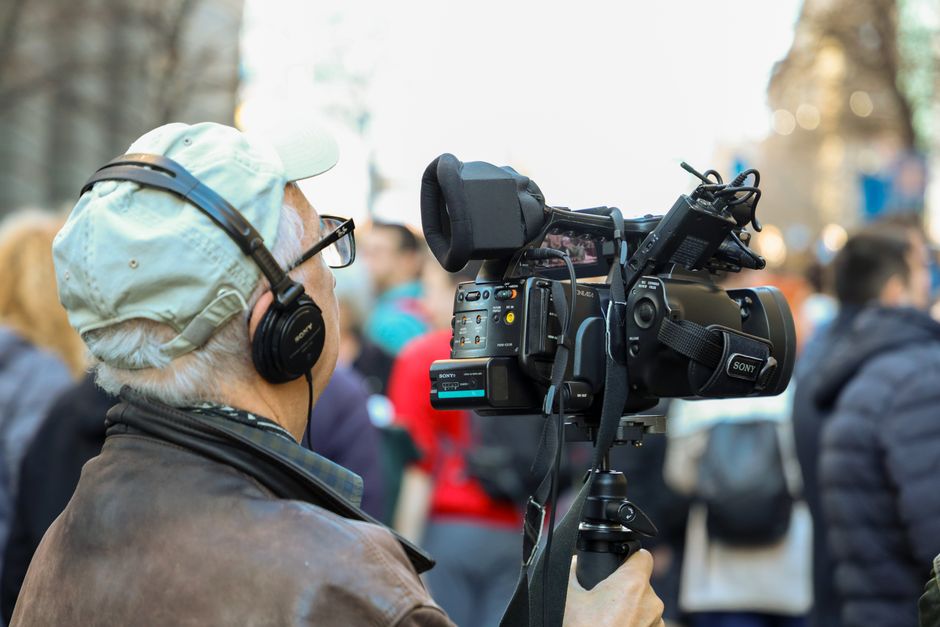
Live casino studios typically deploy multi-camera setups to capture dealers from various angles, ensuring an immersive viewing experience. Hardware Times has detailed how the complexity of controlling so many feeds in real time necessitates careful equipment planning.
Redundancy in Cameras and Switchers
A common practice is to have fallback cameras sitting on the ready. If a primary camera overheats or malfunctions, the switcher can instantly switch to a backup, maintaining uninterrupted video. SMPTE’s standards emphasize such redundancy as a best practice.
- Hot-Swappable Cameras: Cameras connected via SMPTE-compliant fiber or SDI cables allow quick swaps without powering down. Redundant Switchers: Dual switchers run in parallel; if one fails, the other takes over immediately.
Lighting and Visual Consistency Amid Equipment Swap
Maintaining consistent lighting and color grading is crucial for seamless camera switches. MRQ (mrq.com) has highlighted how live casinos use precision LED lighting arrays controlled via DMX that can replicate exact lighting moods rapidly.
When switching to a backup camera, the lighting remains unchanged. This continuity avoids jarring visual shifts that distract players and reduce engagement.
Mobile-First Streaming Constraints and Solutions
Mobile platforms impose unique streaming challenges — variable bandwidth, smaller form factors, and device limitations. Live casino operators optimize streaming pipelines to run efficiently on online casino apps and mobile websites.
Encoding and Compression: Balancing Quality and Latency
Encoding is the gatekeeper for low latency and high quality. In live casino streaming, encoding must compress multi-camera feeds without losing visual fidelity. According to Hardware Times, leveraging VP9 or H.265 encoders can reduce bandwidth usage and improve mobile compatibility.
Encoder Compression Efficiency Mobile Support Typical Latency Notes H.264 (AVC) Moderate Widely supported 5-8 seconds Still standard for many live streams H.265 (HEVC) High Limited on older devices 4-7 seconds Better compression, needs device support VP9 High Strong browser support 4-6 seconds Open standard, Google-backedOperators make smart tradeoffs here. They prefer encoders that optimize streams for lower bandwidth mobile connections while aiming for near-real-time interaction. Last month, I was working with a client who made a mistake that cost them thousands.. Any equipment failure in the encoding chain triggers automatic failover to backup encoders running in parallel.
Redundant Components and Backup Servers: The Heart of Continuity Planning
Redundancy isn’t just for cameras and encoders. Server-side infrastructure is crucial for handling data flow, API calls, gameplay sync, and stream distribution.
Load Balancers and Failover Mechanisms
A typical configuration includes multiple web and application servers behind load balancers. If one server crashes, traffic routes to a hot backup. MRQ’s extensive evaluations have shown that well-designed load balancing reduces downtime to near zero.
Data Sync and Latency Mitigation
One perennial challenge is keeping multiple data streams—video, game data, and UI elements—in perfect sync. SMPTE has published synchronization protocols to address this. Live casino platforms incorporate timestamping and buffer management to ensure dealer actions and player interfaces align perfectly, even when components switch mid-session due to faults.
Real-Time Monitoring and Automated Alerts
Operators use sophisticated monitoring dashboards tracking CPU and https://enyenimp3indir.net/what-is-redundancy-in-a-live-casino-studio-setup/ GPU load, temperature sensors (because what happens when this box overheats at hour 9? is a big question), network stats, and stream health metrics. Automated alerts trigger operator responses or automatic reroutes, minimizing human reaction times.
Putting It All Together: A Continuity Planning Checklist
Based on industry best practices and insights from Hardware Times and MRQ, here’s a streamlined checklist live casinos use to mitigate equipment issues:
Conclusion: Engineering Resilience in Live Casino Systems
Keeping live casino systems running during equipment problems requires engineering a resilient ecosystem—not relying on a “pro” claim without built-in redundancy. From multi-camera studio design, lighting consistency, and encoding strategy to mobile-first constraints and robust backup servers, every piece must work in concert.
Thanks to industry players, detailed evaluations by MRQ (mrq.com), and strict SMPTE standards, operators have matured their continuity planning to near fail-proof levels. The next time you enjoy a live dealer game on your favorite app, remember the silent ballet of redundancy behind the scenes that keeps your gameplay smooth, no matter what equipment hiccups might occur.