If you have ever played live blackjack, you have likely asked yourself: "Is this actually happening right now, or am I watching a recording?"

The answer is that it is happening in real time, but there is always a layer of technical mediation between your screen and the dealer’s deck. You aren’t watching a pre-recorded loop, but you are experiencing live dealer latency. For the average player, the difference is negligible. For the technical purist, understanding the millisecond gap is crucial to gameplay.
The Technical Reality of Live Blackjack Delay
Let’s cut through the marketing noise. When you open a live blackjack table on a site like MRQ, you are connecting to a server that pulls a live feed from a studio. This feed is encoded, transmitted across the web, and decoded on your device. This process takes time. This is what we call "latency."
Think of it like watching a sports broadcast on a streaming platform. If you watch a game on Twitch, you know there is a slight delay compared to someone listening to the game on the radio or standing in the stadium. Live casinos use similar technology to Twitch—specifically WebRTC (Web Real-Time Communication)—to keep that gap as small as possible, usually under one second.
Is it actually real time?
Yes. The dealer is reacting to your inputs in real time. When you click "Hit" or "Stand," that data signal travels to the casino server, registers, and the dealer sees your decision on their monitor almost instantly. If there were a significant delay, the game flow would break, and the dealer wouldn't be able to acknowledge your actions.
Mobile vs. Desktop: How the Hardware Changes Your Perception
I’ve spent years testing these platforms on both high-end desktops and mobile devices. The experience is not the same, and the way you perceive delay changes based on your hardware.
The Desktop Experience
On a desktop, you have the advantage of a stable, wired ethernet connection. The interface is spread out, often utilizing a dual-monitor setup if you’re a serious player. You have real time gameplay controls that are physically spaced out, making accidental clicks nearly impossible. The video feed is usually higher resolution, allowing you to see the cards clearly without relying on the digital overlay.
The Mobile Experience
Playing on a phone is a different beast. On a mobile browser or app, the UI is condensed. You are interacting with touch targets—buttons that sit directly over the live feed. Because mobile networks (4G/5G) are inherently more volatile than fiber-optic broadband, you are more likely to notice "hiccups" in the stream. When the internet fluctuates, the software prioritizes the game state over the video feed. This means your game might freeze, but your bet is still processed correctly.
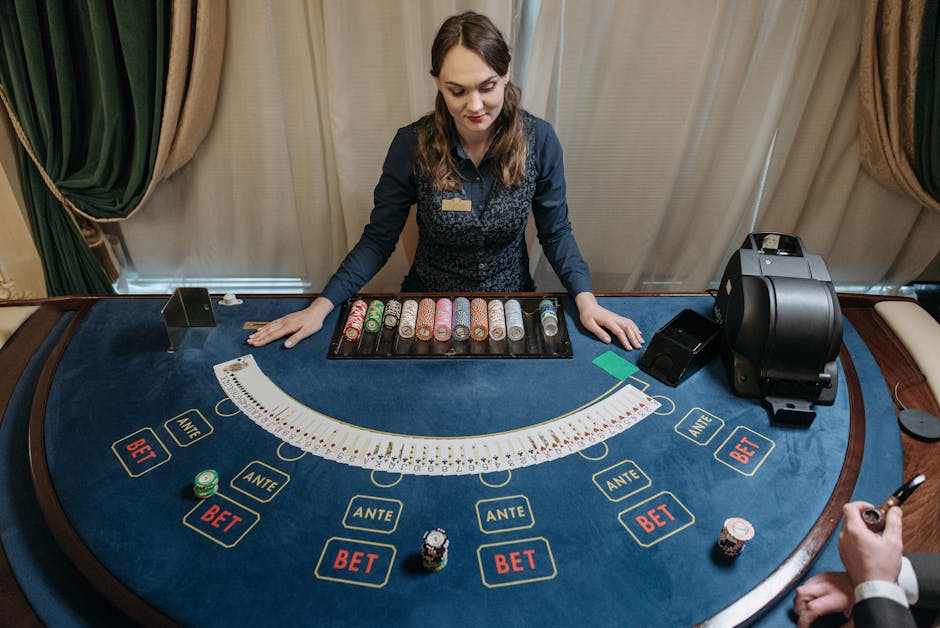
Why Streaming Quality and Production Value Matter
You’ve probably noticed that some studios look crisper than others. This isn’t just about camera quality. It’s about the underlying infrastructure. Modern live casinos invest heavily in high-bandwidth dedicated servers. According to Statista, the online gambling market has seen explosive growth in the last five years, which has forced Twitch style live games providers to upgrade their streaming tech to handle millions of simultaneous players.
High production value doesn't just look pretty; it reduces the need for the game client to "re-render" the scene. When you play on a site like mrq.com, look at how fast the interface reacts when the cards are dealt. A lower-quality stream requires more compression, which increases the time it takes for your device to process the visual information. This is why "glitchy" streams often feel slower—your device is struggling to decompress the video data while maintaining the game's betting logic.
Convenience: Registration, Navigation, and Payments
Technical latency is one thing, but "UX latency"—the time it takes to get from your wallet to the felt—is what actually kills the experience for most players. If you have to dig through four menus to find a live dealer lobby, you aren't playing, you're waiting.
Top-tier operators focus on:
- Frictionless Registration: Getting you to the table in under 60 seconds. Intuitive Navigation: One-tap access to your favorite blackjack variants. Instant Deposits: Ensuring your balance updates immediately so you can jump into the next hand without missing a beat.
If you're playing on mobile, look for platforms that allow you to save your payment methods. Nothing ruins a "real-time" experience faster than being logged out or needing to manually input card numbers while the dealer is waiting for your move.
What Causes the Most Annoying Delays?
If you find that your game is constantly delayed, it is rarely the casino's fault. It is usually one of three things:
ISP Throttling: Your internet provider might be prioritizing certain types of traffic over video streaming. Device Overheating: Mobile phones dim their screens and throttle processor speed when they get hot, which causes the video feed to lag. Background Apps: If you have five other apps running, your phone’s memory is split, which directly affects the smoothness of the live video stream.
The Verdict: Is the Delay a Problem?
To be blunt: if you are worried about a 0.5-second delay, you aren't playing in a way that is affected by it. The game logic is handled on the casino's server, not on your device. Even if your screen freezes, your bet has already been placed in the "real-world" studio.
The "delay" is a byproduct of modern technology, but it’s a small price to pay for the ability to play from your couch. Focus on your connection stability, choose platforms with modern, light-weight mobile interfaces, and keep your software updated. Whether you’re on a high-end gaming PC or an iPhone, the experience is designed to be as close to a land-based casino as possible—without the commute.
If you want to test how a platform handles real-time data, I recommend starting with a small stake at MRQ. It’s a good benchmark for how a modern, mobile-first interface handles the transition from digital inputs to physical outcomes. See for yourself: watch the dealer's eyes when you hit a button. You’ll see that immediate spark of recognition. That is the definition of real-time play.