I’ve spent nine years staring at backend admin panels for offshore sportsbooks and crypto casinos. I’ve seen the "pending" queues, the internal flagging systems, and the excuses support agents are trained to give when you ask for your money. One thing I’ve learned: winning the bet is the easy part. Keeping the money is where the real work begins.
If you’re playing from Canada, you know the dance. You’ve navigated the Interac Browse this site limitations or moved through the volatility of Bitcoin to fund your account. Now that you’ve hit a run, don't leave your winnings sitting in the casino wallet. That’s not a bank; it’s a temporary holding area that can be frozen, limited, or "under review" at the whim of their risk department.
Understanding the "No-KYC" Myth
I see "No-KYC" (Know Your Customer) advertised everywhere as a privacy panacea. Let’s be blunt: No-KYC does not mean "no accountability."
Offshore operators often market "anonymous" crypto gaming to get you in the door. But when you request a withdrawal—especially a large one—that anonymity evaporates. Their risk and fraud departments are mandated by their licensing authorities (even the shady ones) to perform AML (Anti-Money Laundering) checks. If you trigger an automated fraud flag, they *will* ask for ID, utility bills, and proof of address. Exactly.. Never assume that just because you signed up with an email address, you aren't leaving a trail.
The Golden Rule: Move Winnings to a Cold Wallet
Let me tell you about a situation I encountered thought they could save money but ended up paying more.. You ever wonder why never, and i mean never, withdraw your crypto winnings directly to a centralized exchange like coinbase, kraken, or binance. Why? Because these exchanges have strict compliance departments. If they see a large transaction hitting your account directly from a known gambling hot wallet, they can—and will—flag your account, freeze your funds, and demand an explanation. You are essentially sending a "please close my account" notice to your exchange.
The safest workflow is a two-step process:
Withdraw to a non-custodial software wallet: Use something like Exodus or Trust Wallet. These are "intermediary" wallets where you own the private keys. Move to a hardware (cold) wallet: Once the funds settle in your software wallet, move them to a cold storage device like a Ledger or Trezor.
This creates a buffer. It breaks the link between the casino's hot wallet and your personal exchange account. It is the only way to ensure your bank doesn't get suspicious of your gambling habits.

Common Stalling Tactics: What to Watch For
During my time in sportsbook support, I saw all the tricks. If you’re trying to cash out and you notice these patterns, your money is being stalled.
If you see a casino site using aggressive "Limited Time Only" banners everywhere, run. High-pressure sales tactics are almost always a precursor to liquidity issues. A legitimate operator doesn't need to scream at you to bet; they rely on their reputation for fast payouts.
Crypto Security Basics: Fees and Confirmations
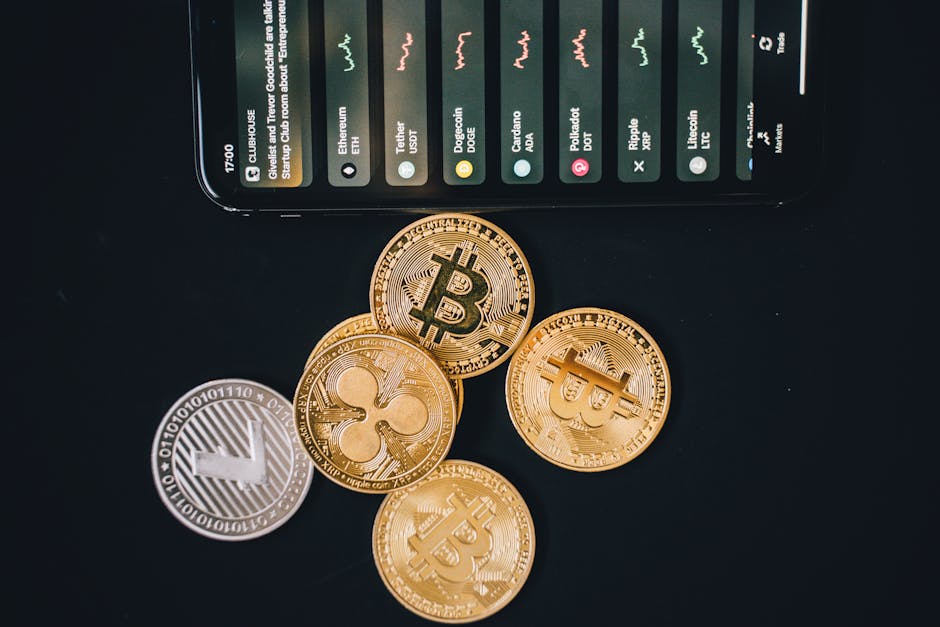
When you withdraw, you’ll see options for Bitcoin (BTC), Litecoin (LTC), or Ethereum (ETH). Always check the fees. BTC transaction fees can spike during network congestion. If the casino is charging you a flat fee, check if it’s reasonable. If they want $50 to send your $500, they are milking you.
Pro Tip: Use Litecoin (LTC) or Bitcoin Cash (BCH) for withdrawals whenever possible. The network fees are pennies, and the confirmation times are significantly faster than BTC.
Know Your Limits (And Terms)
Before you even make your first deposit, read the withdrawal terms. I am obsessed with this. I’ve seen sites hide "weekly withdrawal limits" of $2,000 deep in their terms of service. If you win $10,000, it will take you five weeks to get your money out. That is five weeks of temptation to lose the rest of it.
If you are looking for data on which sites are actually reliable with payouts, I often check resources like On3 Sports to cross-reference their reviews of sportsbook policies. Never rely on the site's marketing page. Look for third-party audits and user forums where players post their actual payout timelines.
Summary Checklist for Canadian Players
- Check the Terms: If the withdrawal limit is low, do not deposit a high amount. The Wallet Buffer: Always withdraw to a non-custodial wallet (Exodus/Trust) before moving to an exchange. Avoid Direct Exchange Deposits: Sending casino winnings to your bank-linked exchange is a guaranteed way to trigger an account lock. Be Patient but Firm: If a payout takes longer than 48 hours, contact support. Keep a log of your chat transcripts.
The gambling industry is built on the hope that you’ll be impatient or disorganized. By keeping your own cold storage and understanding the difference between a real wallet and a casino "account," you shift the power dynamic. Move your winnings off the site as soon as you hit your target. Every minute your money sits in their database, it’s not yours—it’s just a number on a screen.