For UK players who want to keep their gambling spending separate from other finances, choosing the right payment method is critical. Last month, I was working with a client who thought they could save money but ended up paying more.. Whether you’re new to online casinos or a seasoned player at sites like MrQ, understanding the nuances behind “separate spend methods” can help protect your budgeting goals and maintain privacy. In this article, we’ll unpack why this matters, highlight common pitfalls in deposit and withdrawal flows, and explain how tools like Pay by phone bill and Visa fit into the approach.
Why Keeping Spending Separate Matters
With the rise of online gambling, responsible money management has planetfitnessprices.com become a focal point. The UK Gambling Commission champions player protection, including helping customers monitor and control their gambling activity. One way players maintain control is by using payment methods dedicated to deposits at casinos — methods that create a clear financial boundary between gambling spend and everyday expenses.

Separating your gambling deposits from your primary bank accounts or credit cards reduces risks of overspending and simplifies budgeting. It also adds a layer of privacy, especially relevant in the UK’s tightly regulated environment where sensitive financial data is involved. ...but anyway.
Common Challenges in Maintaining Separate Spending
Despite players’ intentions, casino deposit and withdrawal flows often introduce friction that can blur this separation. From UX issues to regulatory rules, here are the main pain points to be aware of:
Early Mobile Deposit Friction: When first entering deposit details on mobile — the dominant gambling platform — users may encounter complicated multi-step processes that feel cumbersome, especially on small screens. Some methods require manual input of card details or bank info that breaks the seamless flow. Deposit-Only Limitations: Many ‘convenient’ deposit options, especially Pay by phone bill (mobile network billing), only support deposits and not withdrawals. This means you typically have to link another financial method to cash out, complicating budgets and reducing separation. Withdrawal Friction: Even if deposits are easy, withdrawing your winnings can be a headache. Some methods prevent withdrawals outright or require slower bank transfer alternatives, which can lead to mixed use of funds and defeat the purpose of separation.Pay-by-Phone-Bill Deposits: Convenience vs. Limits
One of the most talked-about deposit innovations in UK casinos is Pay by phone bill — a method where deposits are added to your mobile phone bill or deducted from prepaid credit. It’s loved for its simplicity and quick setup, especially for users who want to avoid entering bank details or cards online.
Why Pay-by-Phone Bill Felt Convenient
- Fast Access: No need to hunt for card details or banking info; a few taps confirm the deposit. Low Barrier: Accessible to users without credit cards or bank accounts suitable for gambling transactions. Privacy: Avoids sharing banking credentials directly with casinos.
That all sounds great, but here’s the kicker. UK network operators and regulators like UK Finance impose strict phone bill payment caps that typically keep deposits low-value. This naturally aligns pay-by-phone methods with low-stakes play — ideal for casual gamers but less so for high rollers. The caps also serve as consumer protection, preventing runaway debt accumulation on mobile bills.
But Deposit-Only Means Withdrawal Pain
Pay-by-phone bill doesn’t support withdrawals. As a result, if you win, your winnings have to be paid out via another method — usually slower and less convenient bank transfers or e-wallets. This disjoint undermines the goal of “separate spend methods,” as you end up mixing deposit channels, undermining clarity in your spending logs. A hard truth for many looking to maintain strict boundaries.
Visa Payments: The Double-Edged Sword
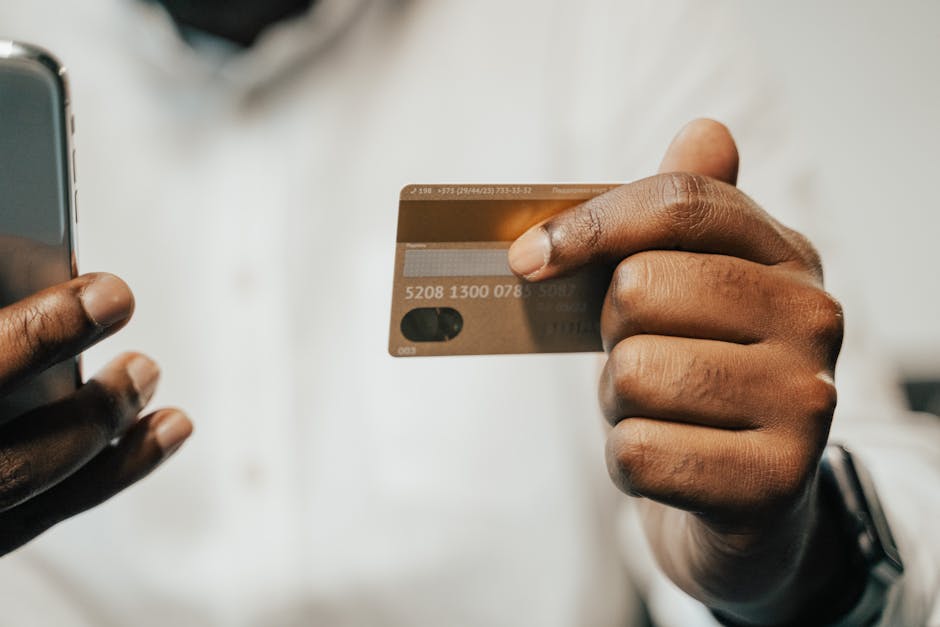
The ubiquitous Visa card is accepted across nearly all UK gambling platforms, including MrQ and others licensed by the UK Gambling Commission. Its familiarity and support for both deposits and withdrawals make it a tempting choice.
However, the effective use of Visa as a “separate spend method” depends heavily on personal account management. Using a dedicated prepaid Visa or a separate card with a set budget can work well, but linking your main debit card risks conflating everyday bank spending with gambling expenses.
It’s also important to remember the 2020 UK ban on credit card gambling deposits enforced by the UK Gambling Commission and UK Finance. Visa credit payments now are generally disallowed for gambling, steering players toward debit or prepaid options.
Wallet Privacy in the UK: What Players Need to Know
Wallet privacy remains a critical consideration. Players often ask about PayPal casino deposits and how they rank in terms of separating spend and maintaining privacy.
- PayPal Casino Deposits: Popular for seamless integration and strong buyer protection, PayPal bridges flexibility and control. Using a PayPal wallet dedicated solely to gambling can help preserve financial boundaries and add privacy, as your bank details don’t go directly to the casino. UK Privacy & Regulation: The UK’s regulatory landscape requires operators to perform thorough KYC (Know Your Customer) compliance. Even with private wallets, your identity and transaction details are verified, but wallet use can still shield cluttered bank statements.
Practical Tips for Keeping Your Gambling Spend Separate
Here are some actionable strategies to strengthen your budget boundaries while playing:
Choose Deposit and Withdrawal Methods Wisely: Confirm both deposits and withdrawals are supported for your chosen payment method to avoid juggling accounts and losing clear records. Consider Prepaid Cards or Virtual Wallets: Use dedicated prepaid Visa cards or e-wallets like PayPal to isolate gambling spend from primary finances. Be Mindful of Mobile Network Caps: If using pay-by-phone-bill, remember low deposit caps cap stakes but also limit overspending. Check Casino Policies: Each operator, including MrQ, may support a different range of methods — always sanity-check that your preferred payment method is actually available for both deposits and withdrawals. Track Spending Regularly: Set alerts or use casino tools to monitor deposits and withdrawals — transparency is key to control.Comparing Payment Methods: A Quick Snapshot
Payment Method Deposit Support Withdrawal Support Mobile UX Ease Spending Separation UK Regulatory Notes Pay by Phone Bill Yes No High (few steps) Moderate (deposit-only) Low deposit caps; withdrawal restriction Visa Debit Card Yes Yes Moderate (card input needed) Depends on card type (prepaid better) Credit card deposits banned PayPal Yes Yes High (stored credentials) High (wallet privacy) KYC applies; strong privacyFinal Thoughts
Keeping gambling spend separate is more than just a budgeting exercise—it’s a cornerstone of responsible play and long-term enjoyment. While innovative payment methods like Pay by phone bill offer convenience and low-stakes appeal, their deposit-only nature introduces withdrawal friction that can complicate your financial boundaries.
Choosing the right mix of Visa, PayPal, or prepaid wallets—and regularly reviewing your deposits and withdrawals—helps ensure your gambling funds stay isolated from everyday spending. Platforms licensed by the UK Gambling Commission, including MrQ, provide strong regulatory oversight, but you’re ultimately responsible for choosing methods that align with your goals.
Remember: always sanity-check the availability of withdrawal options before committing, and never rely on vague claims like “instant” withdrawals without verifying user experiences. With the right approach, you can enjoy UK casino gaming while preserving clear, separate, and manageable spending logs.